|
As we move into the latter part of 2026, I am encouraged by the ways our network continues to nurture leaders, strengthen institutions, and respond with care to the changing needs of students and communities. The stories in this issue of the United Board e-newsletter remind us that leadership is formed over time—through opportunities to learn, the guidance of mentors, attentive listening, and a deep commitment to serve.
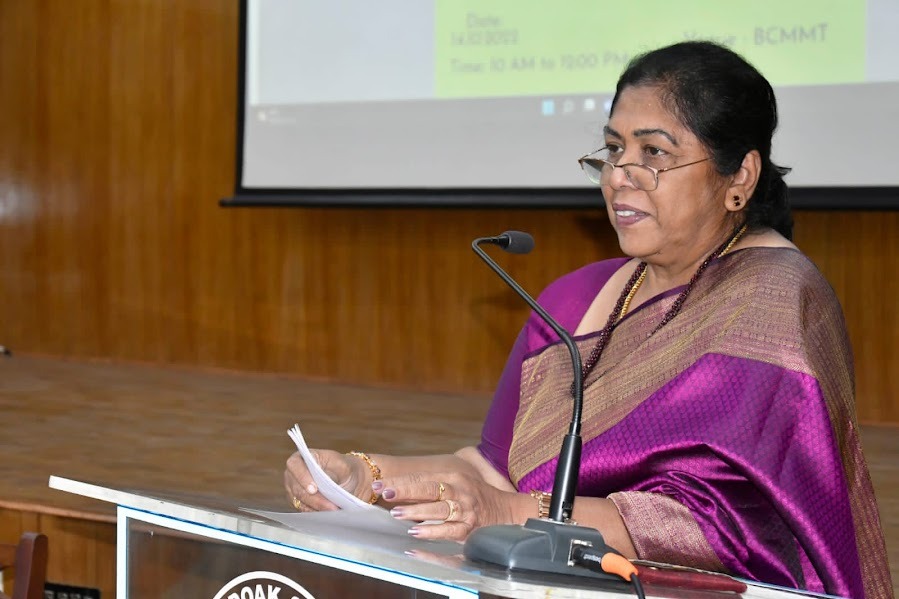
We begin with the remarkable journey of Dr. Vasanthi Vijayakumar, founding Vice Chancellor of Captain Williamson Sangma State University in Meghalaya, India. From her early academic career at Madras Christian College to her current work of building a new university in an underserved region, her path has been intertwined with the United Board. Her story shows how an investment in one educator can bear fruit across decades, institutions, and communities. We are inspired by this “daughter of the United Board” who carries forward the values that have shaped her leadership.
That spirit of care also shines through in our feature on the 2026 Asian Academy for Campus Ministry. Participants from the Philippines, India, and Pakistan reflect on the pressures facing today’s students and affirm a lesson that is simple but profound: before we offer answers, we must first be present and listen. In diverse and multifaith campus communities, such attentive presence can help students find dignity and hope, as well as a sense of belonging.
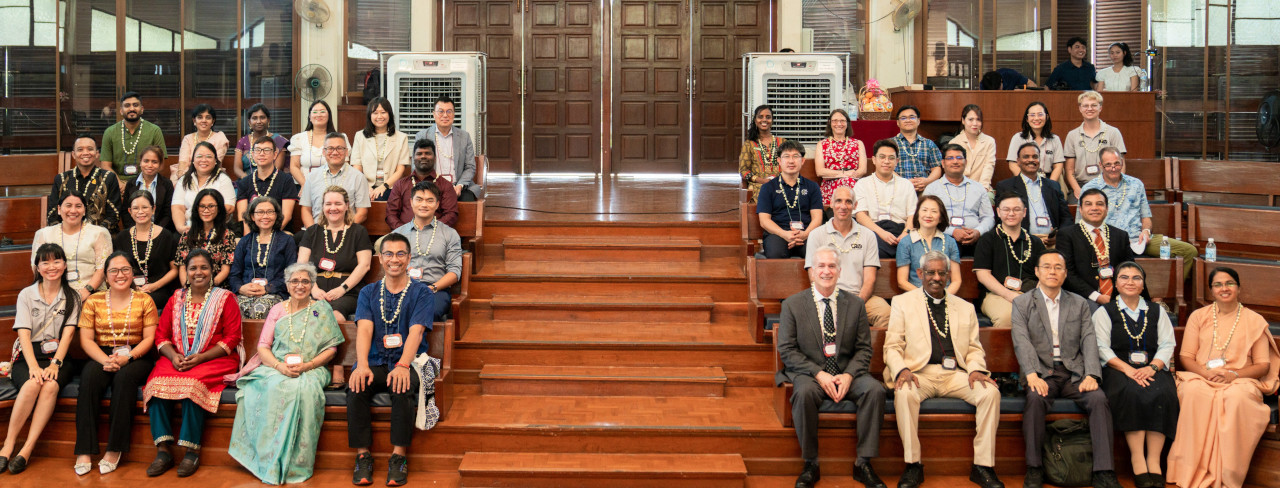
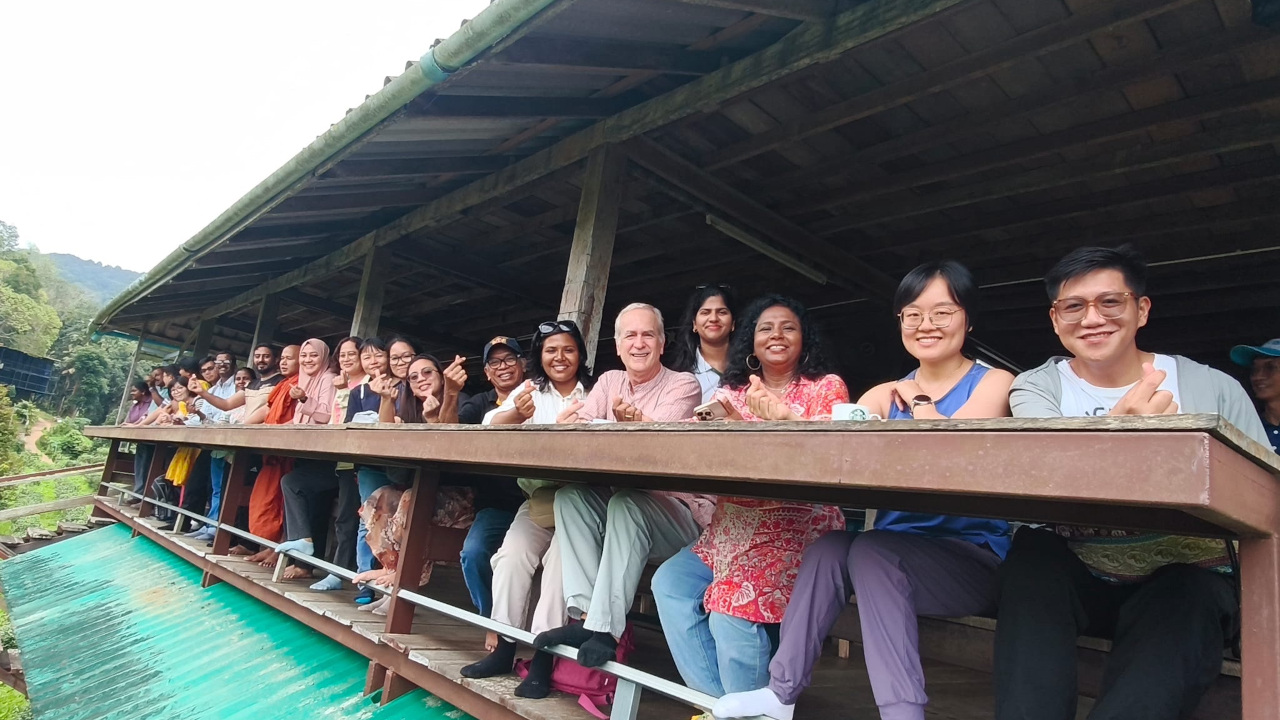
At this year’s Institute for Advanced Study in Asian Cultures and Theologies (IASACT), listening and learning took another form as 20 scholars from eight Asian countries explored “Theologies of Aging: Interfaith Wisdom for Flourishing in Later Life.” Hosted for the first time at Payap University in Chiang Mai, IASACT 2026 considered aging not as loss or decline, but as a season of agency, wisdom, meaning, and grace.
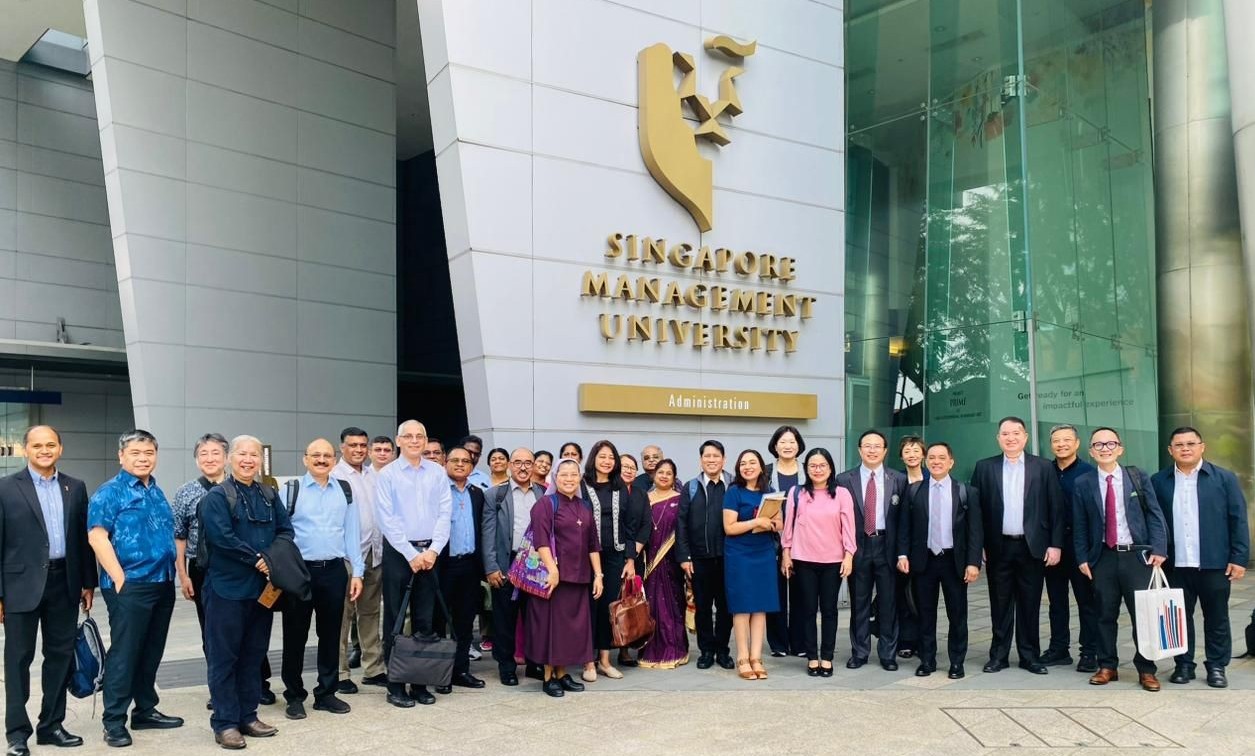
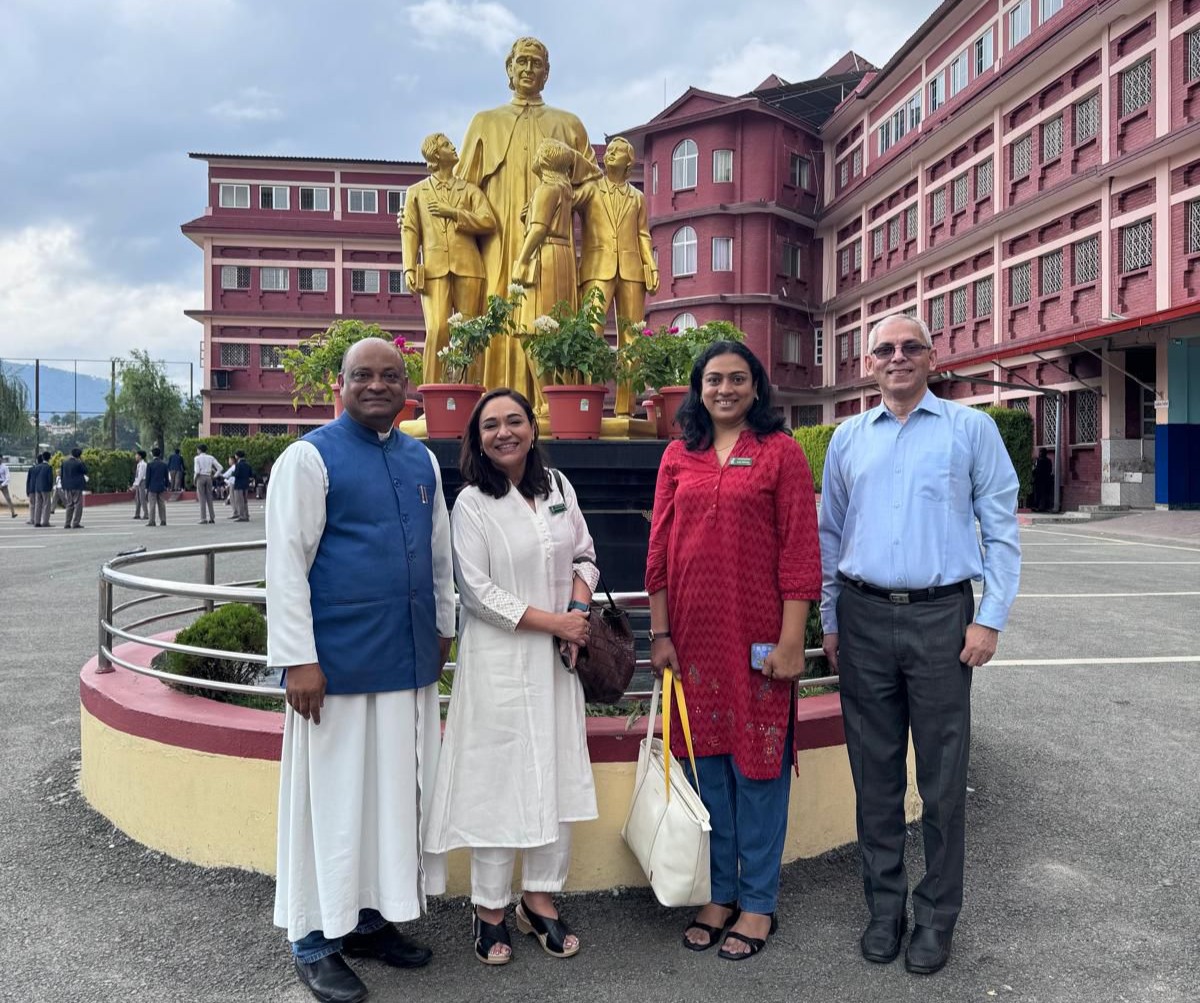
This issue also takes you with us through a busy summer of travel and partnership. In Singapore, institutional leaders considered the next decade of Christian higher education in Asia and committed themselves to building climate-responsive and sustainable campuses. In Jabalpur, we witnessed the multiplier effect of faculty development as learning extended to schools and communities. In New Delhi, Indian academic leaders reflected on institutional purpose, innovation, and the ethical use of artificial intelligence. And in Kathmandu, we began forming relationships that will deepen the United Board’s work in Nepal. Across these journeys, I was reminded that meaningful partnerships begin with presence and grow through trust.
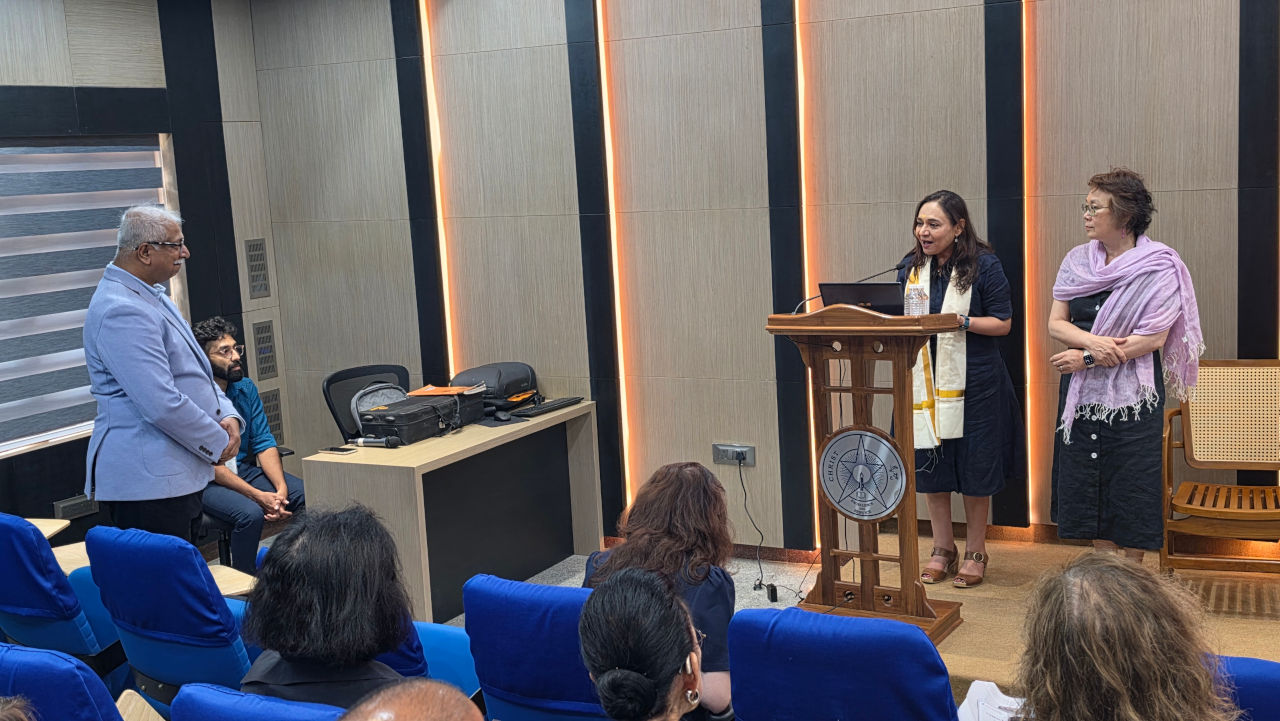
We also welcome the launch of SOAR, the first hybrid program of the CHRIST University Higher Education Leadership Institute. By supporting early-career faculty as they grow into leadership, this five-month journey reflects our commitment to develop resilient and confident academic leaders.
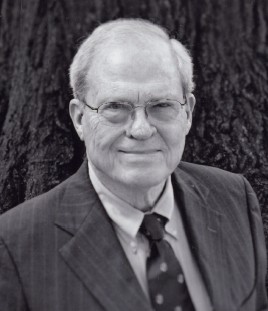
Finally, we pause to remember with gratitude Dr. James T. Laney, a man whose commitment to education, reconciliation, and peace guided the United Board toward deeper partnership with Christian colleges and universities in Asia. We give thanks for his wisdom, humanity, and enduring contribution to our mission.
Together, these stories show how leadership takes root and flourishes: through formation sustained across a lifetime, attentiveness to students, scholarship that honors the later stages of life, partnerships patiently built, and a legacy of service passed from one generation to the next. Thank you for walking with us in this shared work. I invite you to read on and continue partnering with us as we nurture educators and leaders who serve with courage, compassion, and hope.
With gratitude and hope,
|