|
|
Making Space to Listen:
Three AACM Participants Put Compassion into Practice
|
|
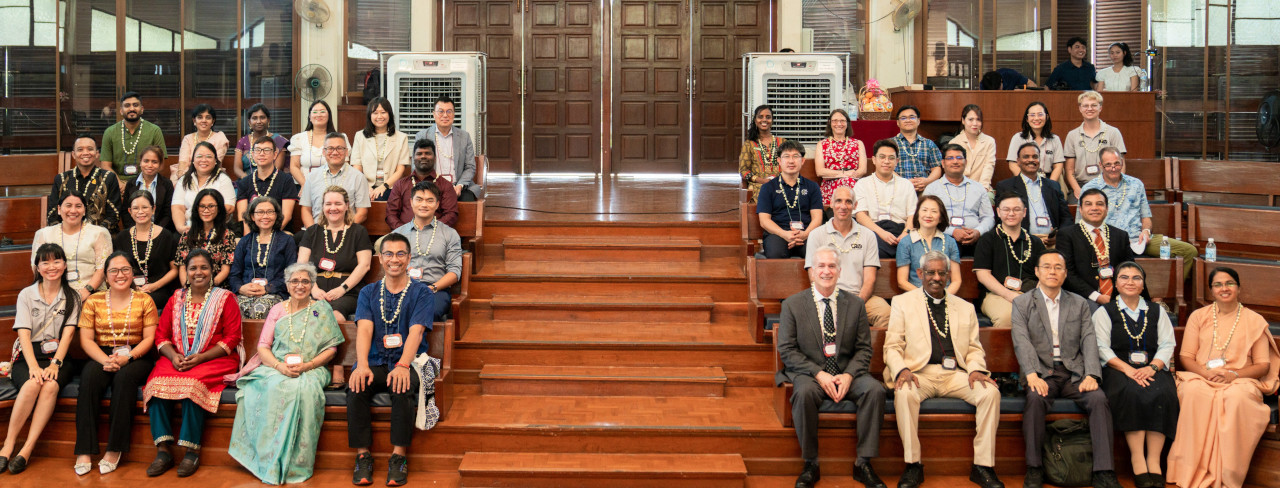
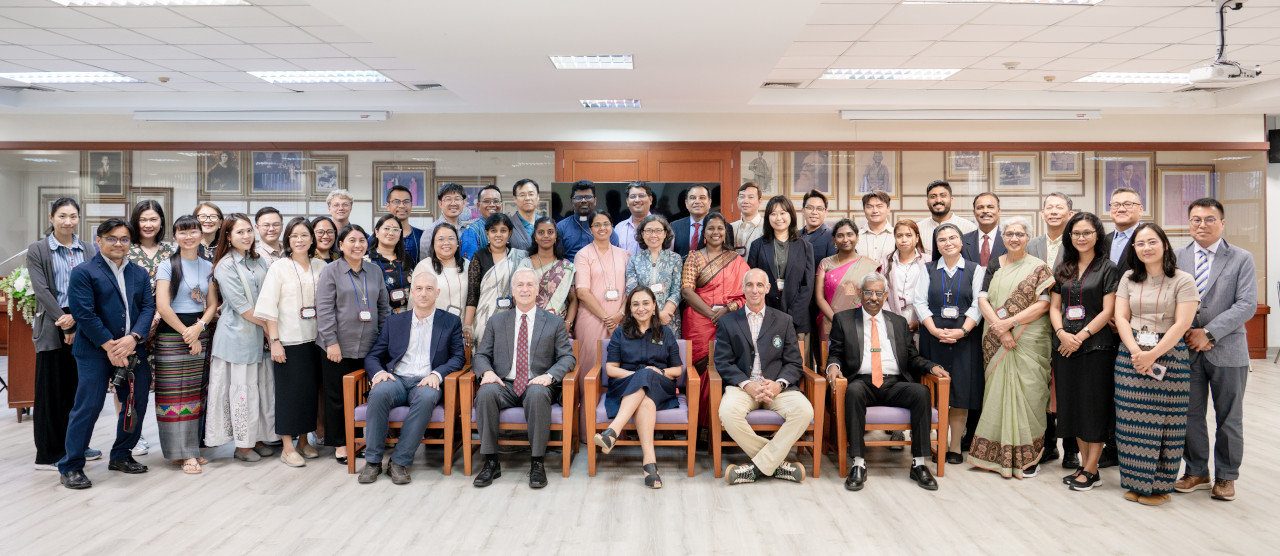
Across Asia, campus ministers and educators are getting students whose academic lives are inseparable from anxiety, financial strain, family conflict, questions of identity and faith, and an uncertain world. At the 2026 Asian Academy for Campus Ministry (AACM), held May 4–9 at Payap University in Chiang Mai, Thailand, participants explored how mental health, spiritual development, and ministry as a calling come together in the everyday work of accompanying students.
For three participants from the Philippines, India, and Pakistan, the week affirmed a deceptively simple principle: before offering solutions, make space to listen.
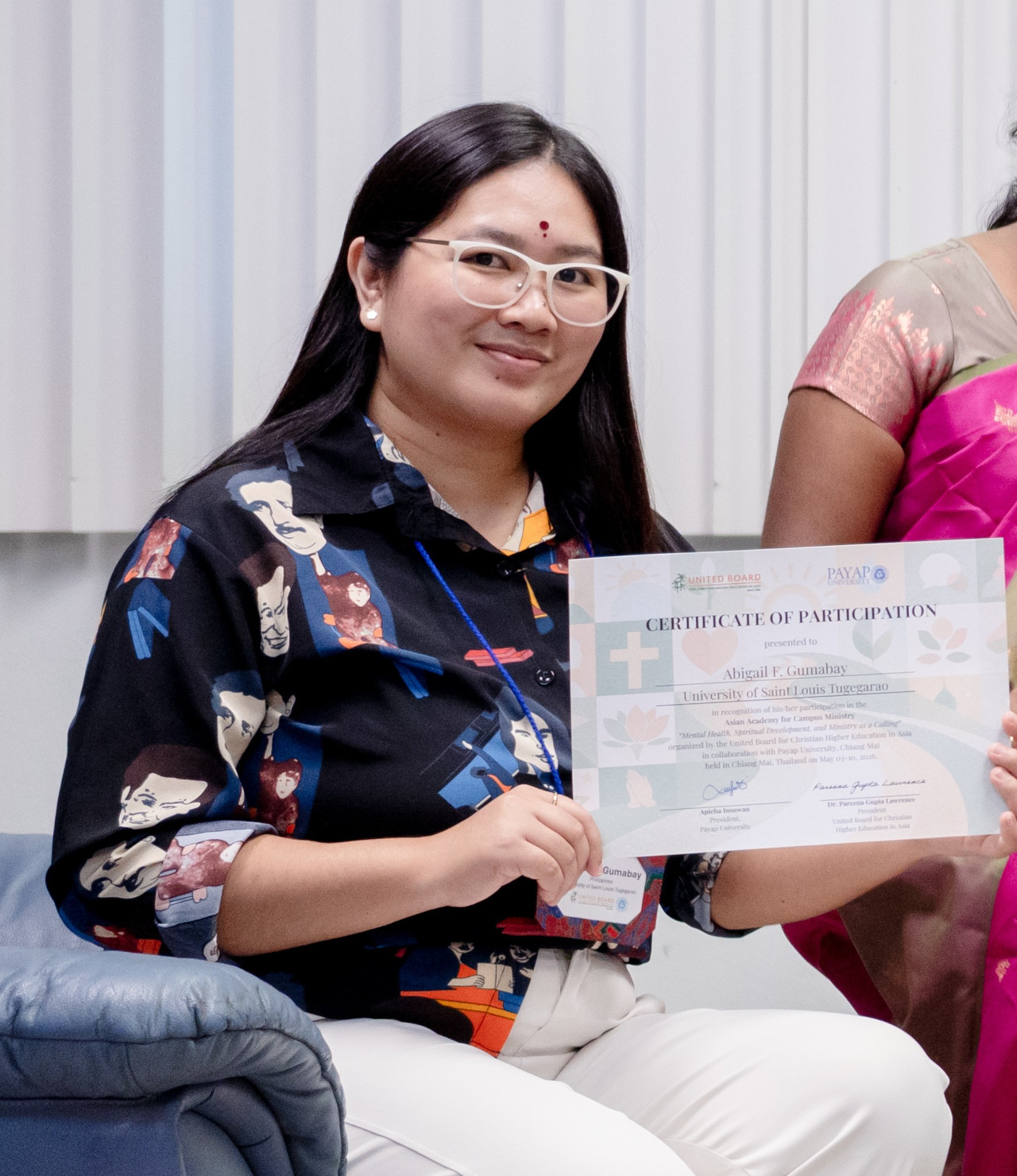
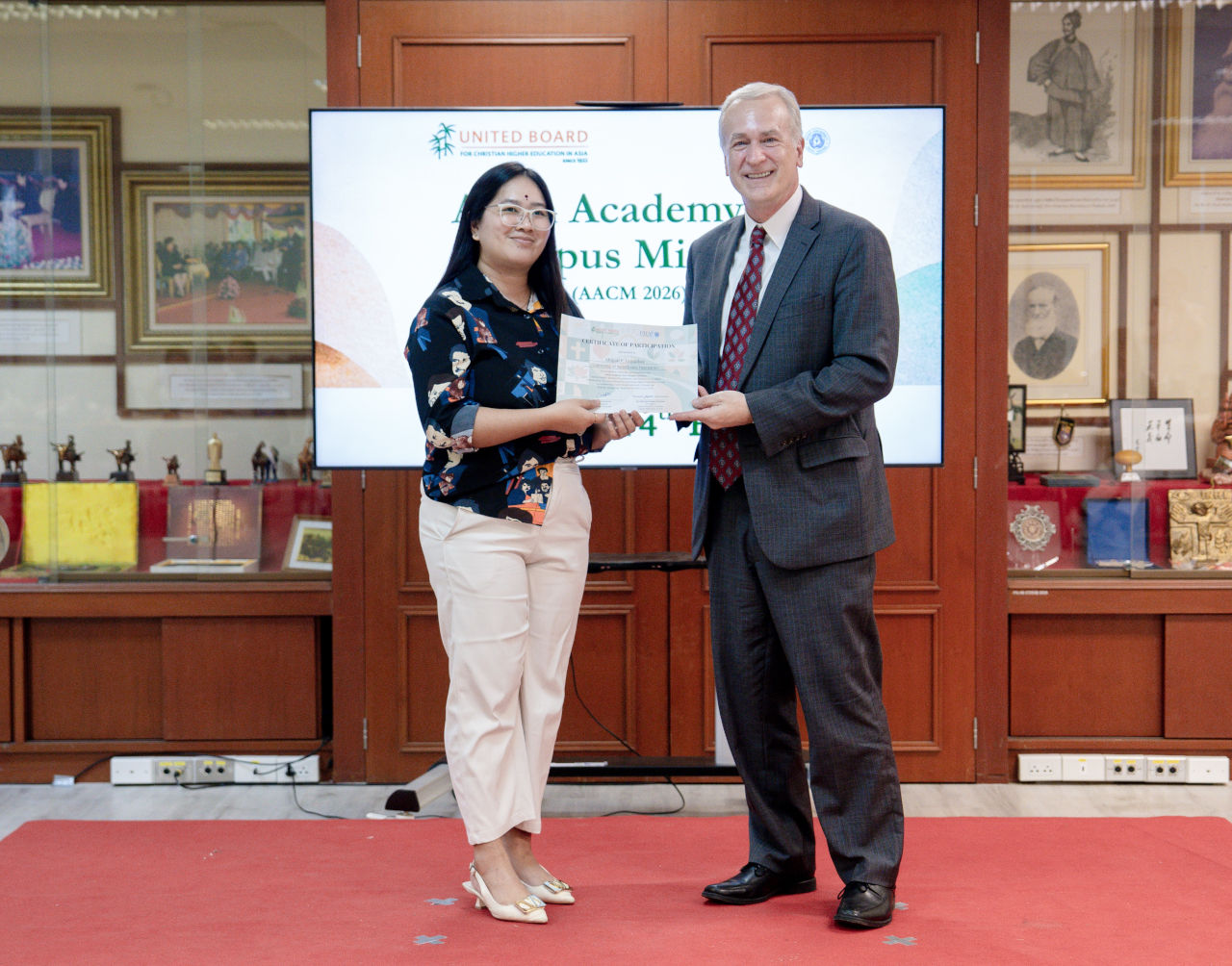
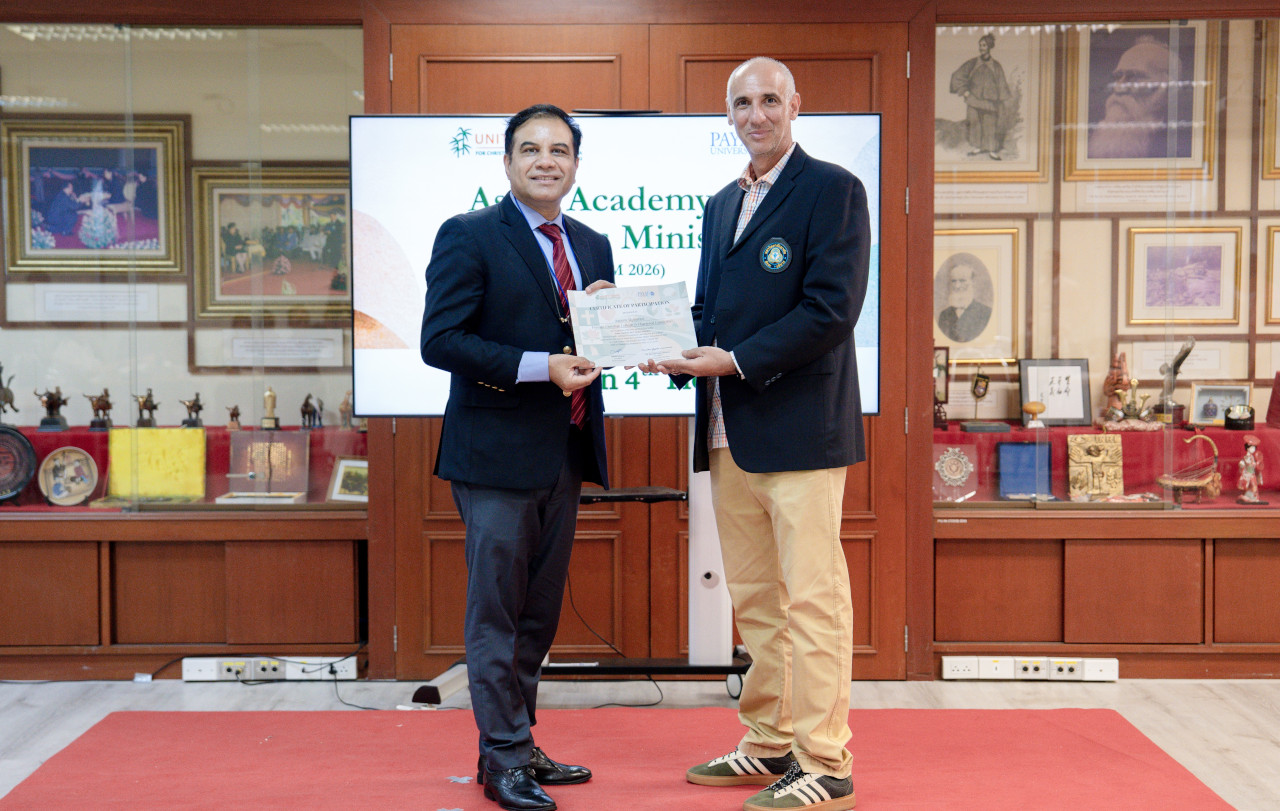
At the University of Saint Louis Tuguegarao in the Philippines, Abigail F. Gumabay (below left) heads the Christian Faith Education Department. The Catholic university serves about 4,000 students from across Northern Luzon. Abigail works with faculty, the chaplain, and professional staff to support students’ spiritual and personal development. “Campus ministry in our university means accompanying students in both their spiritual and personal journey,” she said.
|
|
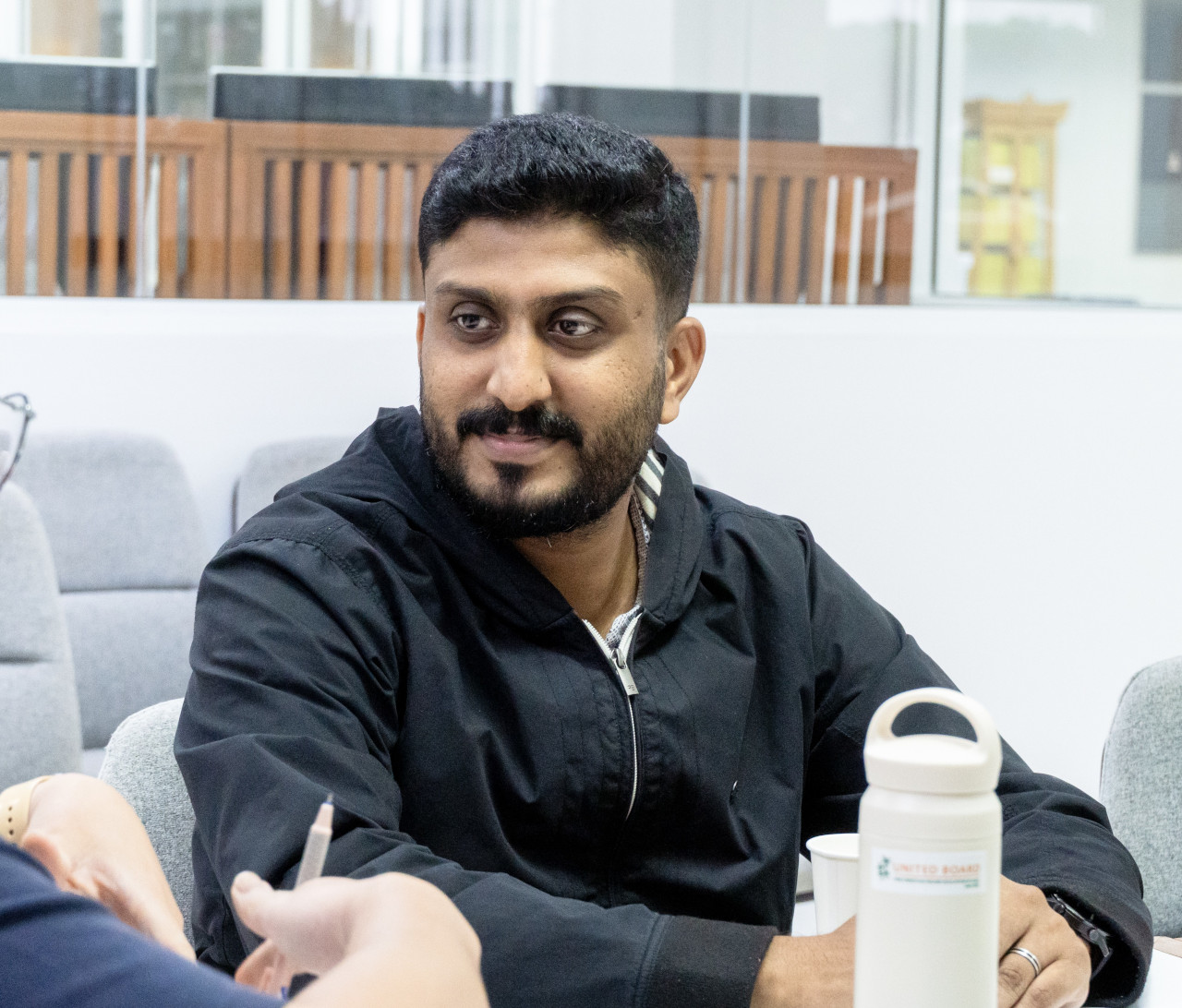
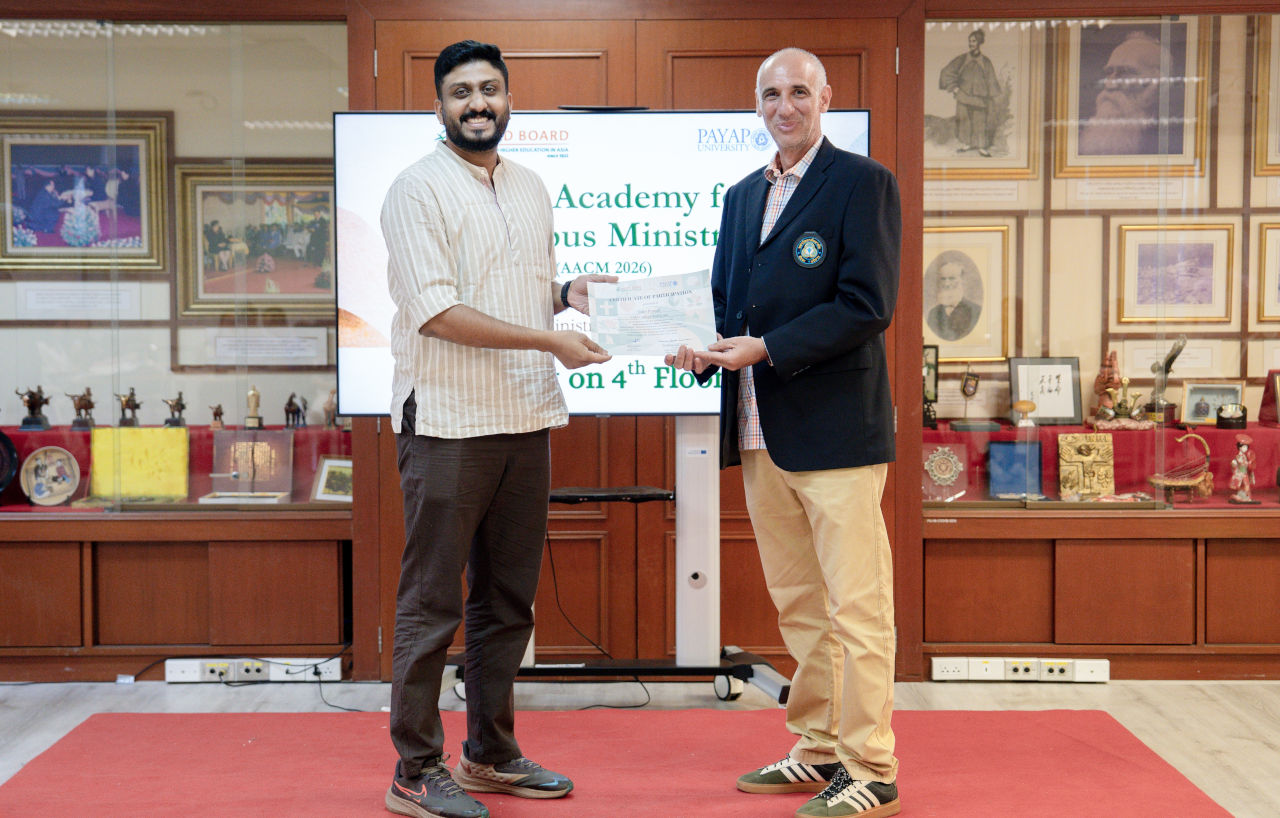
In Kerala, India, Ditto Prasad (above right) combines two roles at CMS College Kottayam: assistant professor of English, specializing in film studies, and staff chaplain. Founded by Church Mission Society missionaries in 1817, the college has a distinguished history in English education, Malayalam publishing, and women’s education. Its nearly 3,000 students range from economically privileged young people to students from mountain communities who struggle to make ends meet.
In his dual roles, Ditto sometimes felt ill-equipped to handle his students’ problems. He came to AACM with the purposes of seeking clarity on how to be involved in his students’ extracurricular lives and also strategies not only for one-on-one sessions with students but also how to expand the services of the chaplain’s office.
|
|
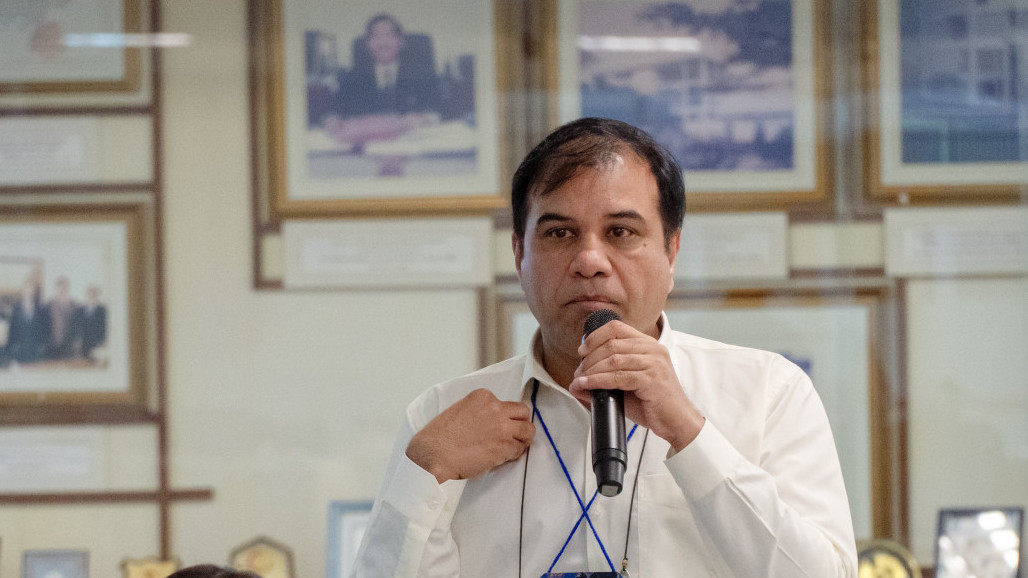
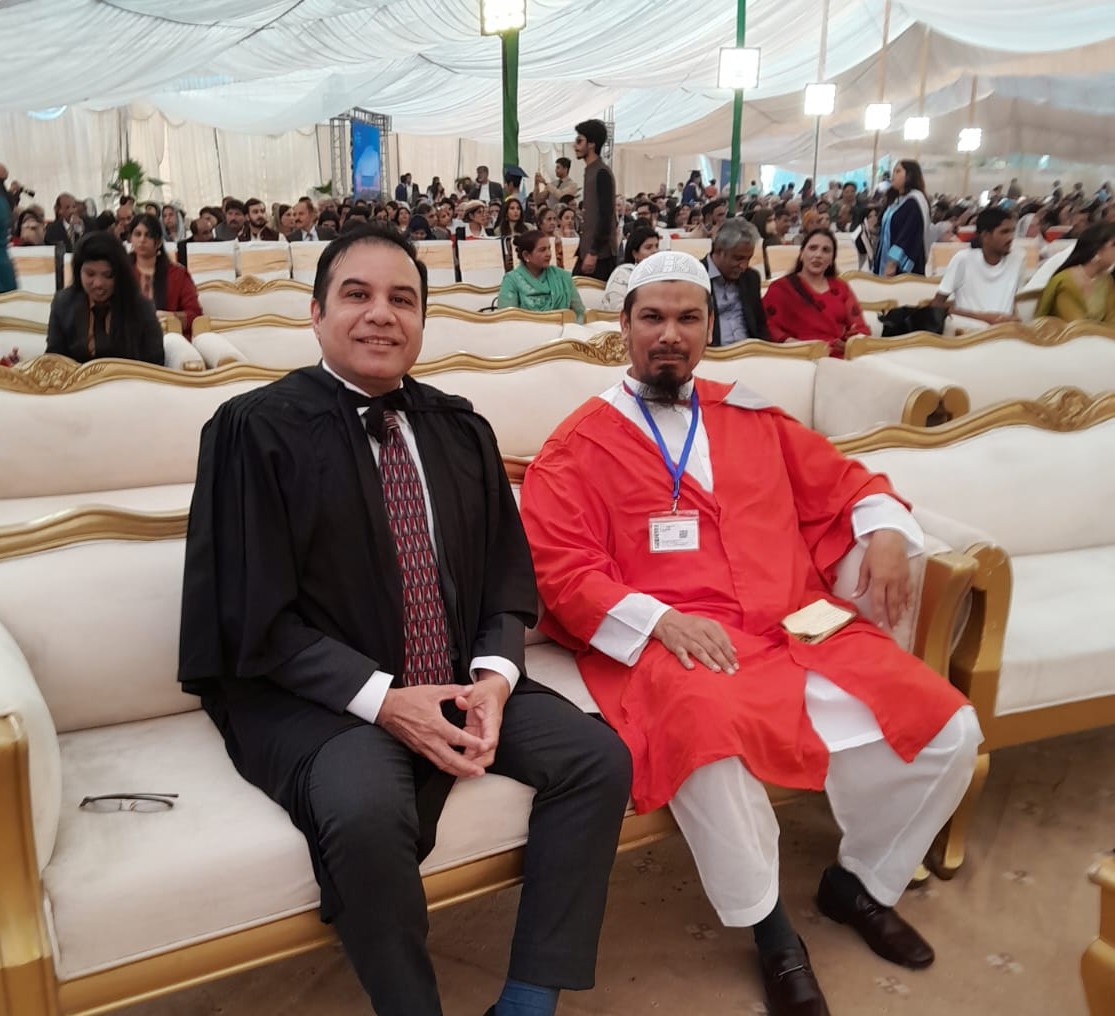
Azeem Alphonce (above), an assistant professor of linguistics at Forman Christian College (A Chartered University) in Pakistan, has taught at the college for 23 years. He is not a designated chaplain, yet ministry runs in his family and informs his teaching. “Someone may not be my relative in faith, but in humanity they are my relative,” he said. That conviction has been guiding his journey with his students.
CMS College Kottayam is a Protestant establishment, yet it is also a secular arts and science institution where only about 60 percent of students are Christian. Before AACM 2026, Ditto had not fully considered how the chaplain’s office might serve non-Christian students. AACM’s focus on multifaith and multicultural chaplaincy shifted his thinking. Ditto recalled vividly a speaker who always began his session with a prayer but said, “Protestants can pray to Jesus; Catholics can pray to Mother Mary; others can pray for goodness and peace.” Inclusion, he learned, does not require anyone to abandon their beliefs, but to remain rooted while caring for others.
|
|
Forman Christian College, on the other hand, is explicitly multifaith. Among its more than 9,000 students are Muslims, Christians, Sikhs, Hindus, and members of other religious communities. The campus has both a mosque and a church, while official events open with readings from the Quran and the Bible. Azeem recalled inviting the only Hindu student in a hostel of about 100 residents to offer a reading from his own tradition at an annual dinner. “Our core purpose is to ensure that no one feels excluded,” he said.
Although the University of Saint Louis Tuguegarao is Catholic, Abigail described the campus community as one that welcomes students from different faith traditions. Its ministry extends beyond worship into classroom teaching, outreach, prayer, reflection, and personal accompaniment. Questions of faith and doubt can be difficult for students to voice, she noted, because some fear that doubt signals weakness rather than an opportunity for spiritual growth.
Ditto, in his role as staff chaplain, speaks with seven to ten students on an average day. Recurrent problems include family breakdown, financial hardship, anxiety, panic attacks, pornography and substance use, and difficult relationships. Before AACM, Ditto often felt unsure where to set boundaries between compassionate involvement and professional referral.
Abigail likewise encounters students who appear cheerful while silently carrying anxiety, financial concerns, family conflict, and pressure to meet expectations. She recalled a student whose academic performance declined amid serious family and financial problems. Through patient dialogues, a scholarship, and lending her office for use by the student to study, the student eventually got through the storm and even became a Dean’s Lister. The experience taught Abigail to notice what students may communicate non-verbally rather than verbally.
|
|
For Azeem, students’ reluctance to discuss financial problems reflects a desire to preserve dignity. “Like the tip of an iceberg, teachers may see only a small problem on the surface, while underneath there may be much more,” he said. Listening carefully, compassionately, and persistently can reveal what lies underneath and lead to more appropriate support.
|
|
The 3-T model used by the Lasallian Formator Dr. James Emerson L. Mañez in his discussion of spiritual development struck a particular chord in Azeem’s mind: “Teach the mind, Touch the heart, Transform lives.” He now spends more time with students on informal occasions such as over tea or coffee, discussing their cultures, homes, habits, and studies without waiting for a crisis to happen. These encounters create a “comfort zone” in which students may later feel ready to ask for help. Abigail concurred by noting that what students need might not be immediate advice but someone willing to be there and listen patiently, creating a safe space for the students.
Many sessions and discussions at AACM 2026 were meaningful to Abigail, especially those on pastoral accompaniment and mental health. “What my students need is more an attentive ear than a solution,” she concluded. Back home, she held an echo session to share AACM insights with her colleagues. Some of them initially saw this as additional work, but over time they also embraced the need to lend a patient ear and even began suggesting creative ways to achieve that.
For Ditto, AACM clarified that chaplaincy was not simply an added responsibility but a calling. While still in Chiang Mai, he began messaging the president of his college and upon his return they continued their discussion of how to make the college more inclusive in terms of serving the non-believers as well. He is glad to see the idea well received by the board and management of the college, but acknowledges that it will take time or even a cultural paradigm shift, to change the perception that the door of the chaplain’s office is only open to Christian students.
None of the three claims to have solved every challenge. Time is limited, needs are extensive, and trust grows slowly. Yet each returned from AACM 2026 with greater clarity about the first step: to be present. As Abigail put it, “Genuine listening is itself a ministry.” Across three very different universities, that ministry is opening spaces where students can belong, speak, and begin to hope.
|
|
|
|
|
United Board for Christian Higher Education in Asia | 475 Riverside Drive Suite 1221 | New York, NY 10115 US
|
|
|
|
|
|