|
|
When Theology Turns to Growing Old:
Inside IASACT 2026
|
|
Aging comes for everyone, yet theology has rarely paused to consider it. For all that the world's religious traditions say about birth, suffering, and death, the long middle passage of growing old—its losses and its wisdom, its indignities and its grace—has remained a curiously neglected subject. This year, the United Board set out to change that.
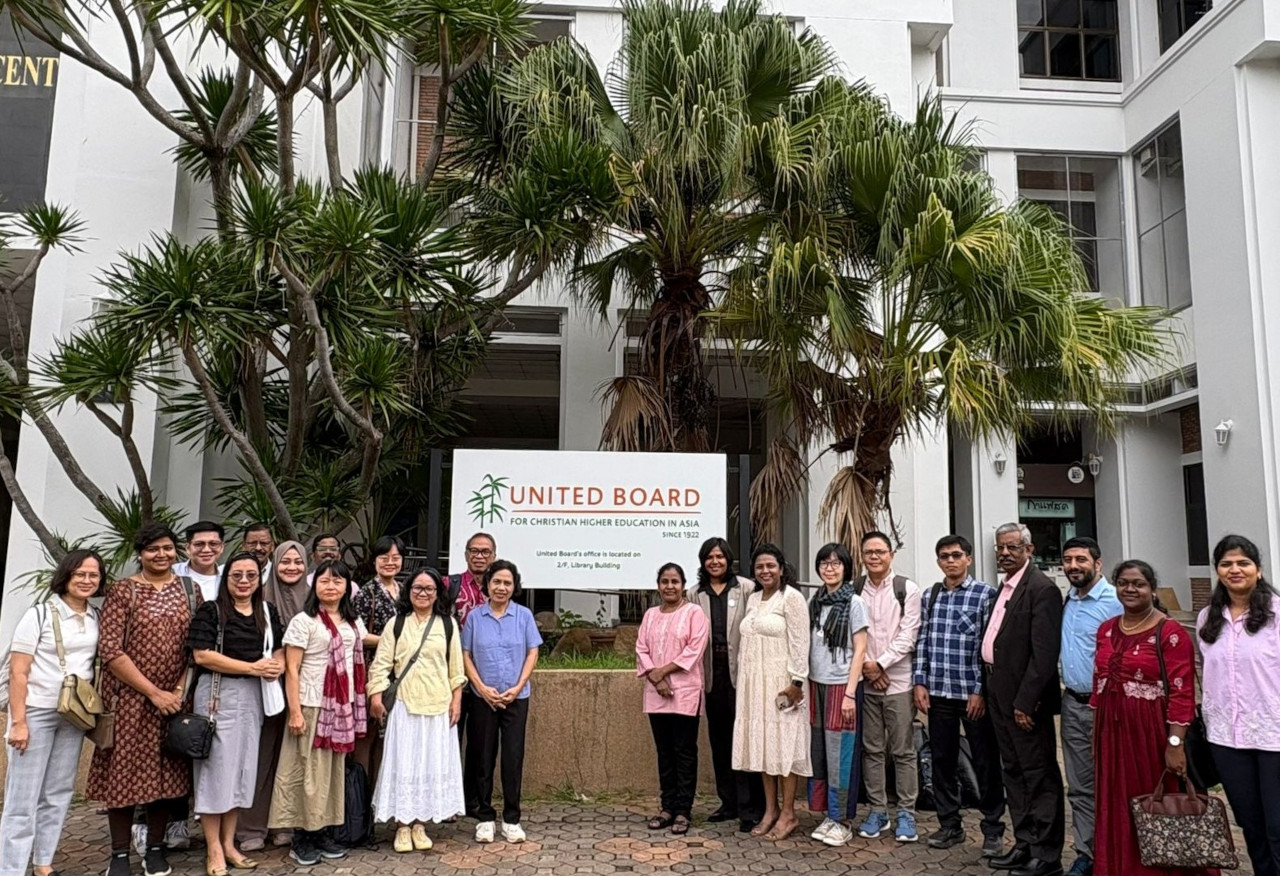
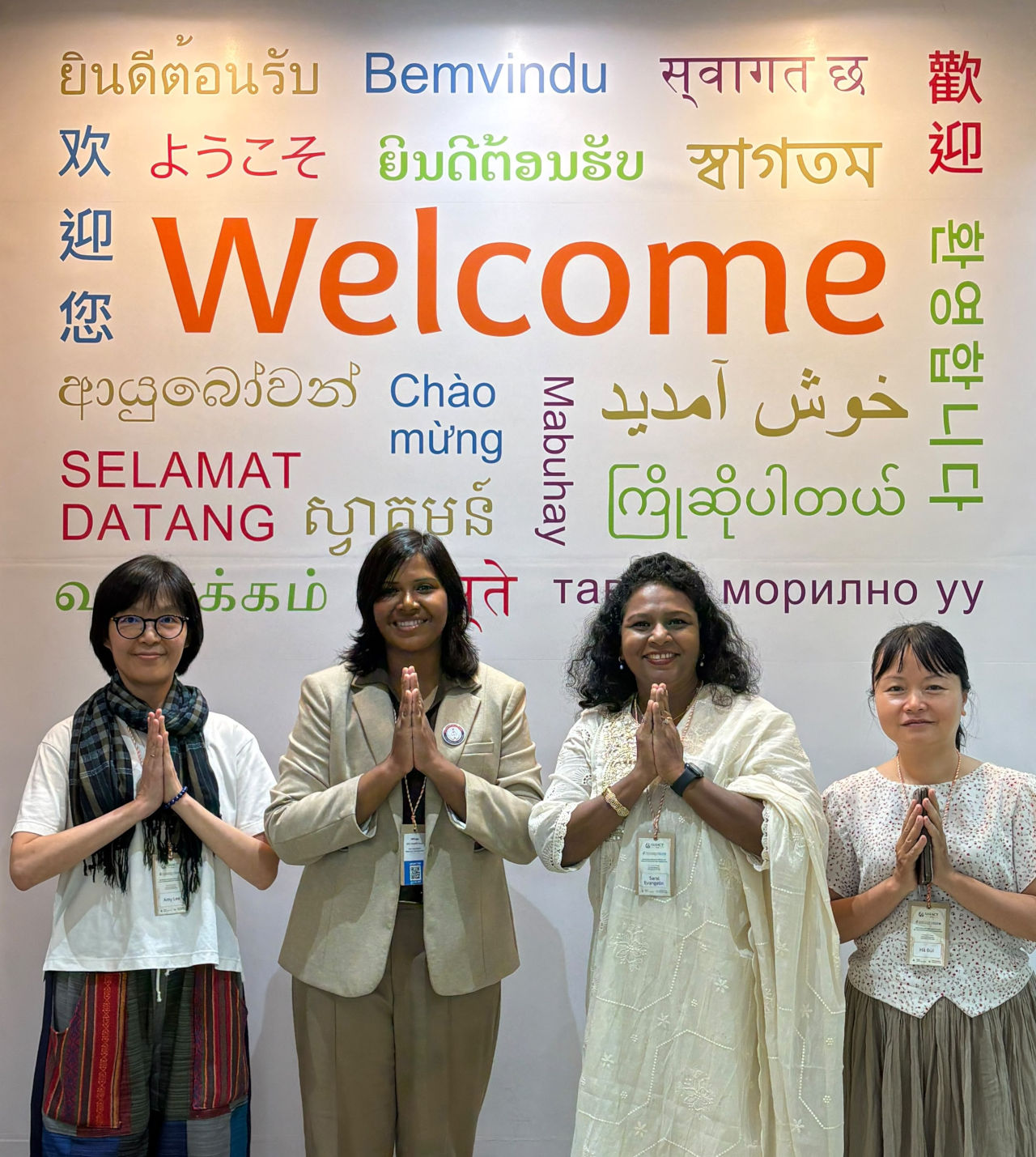
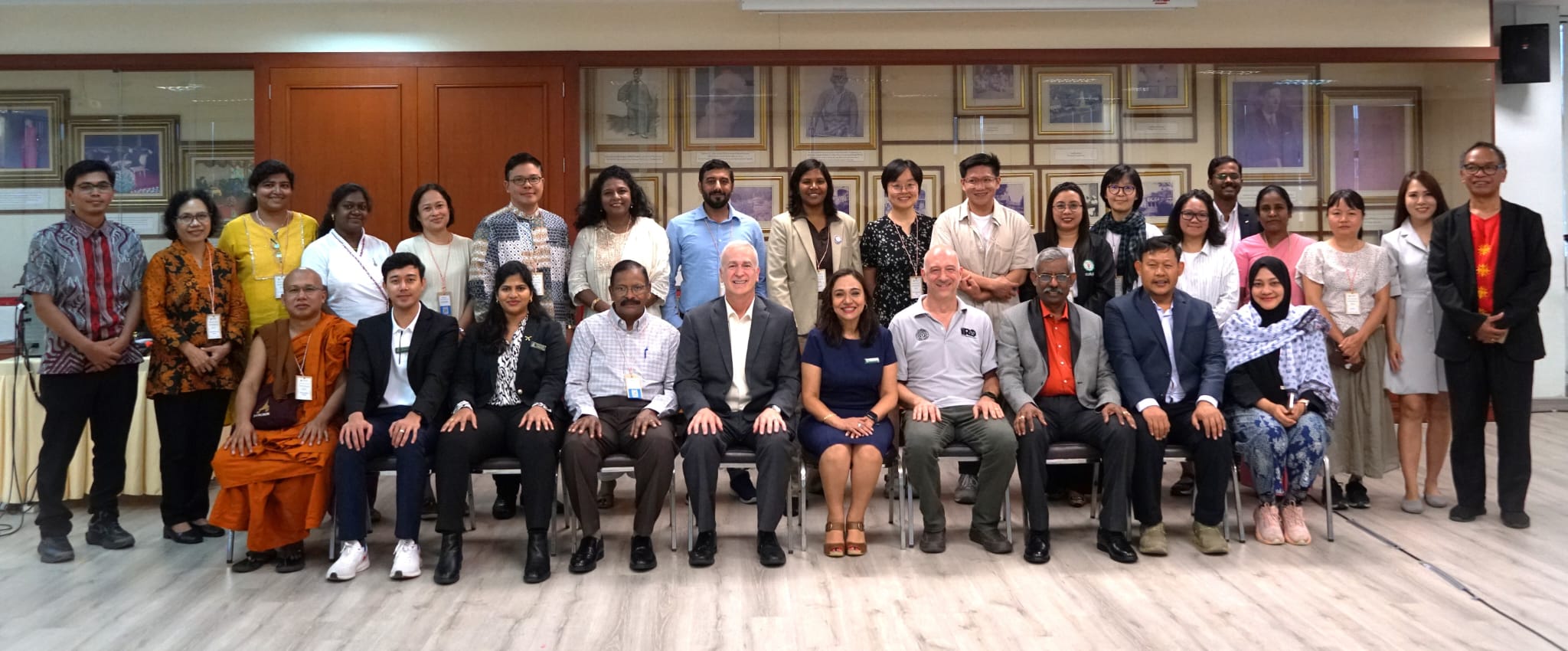
From June 20 to July 3, the Institute for Advanced Study in Asian Cultures and Theologies (IASACT) 2026 convened 20 scholars from eight Asian countries under a theme few academic programs would dare to focus on: "Theologies of Aging: Interfaith Wisdom for Flourishing in Later Life." It is a topic easy to overlook and impossible to escape—one whose implications reach into every family, congregation, campus, and aging society across the region.
|
|
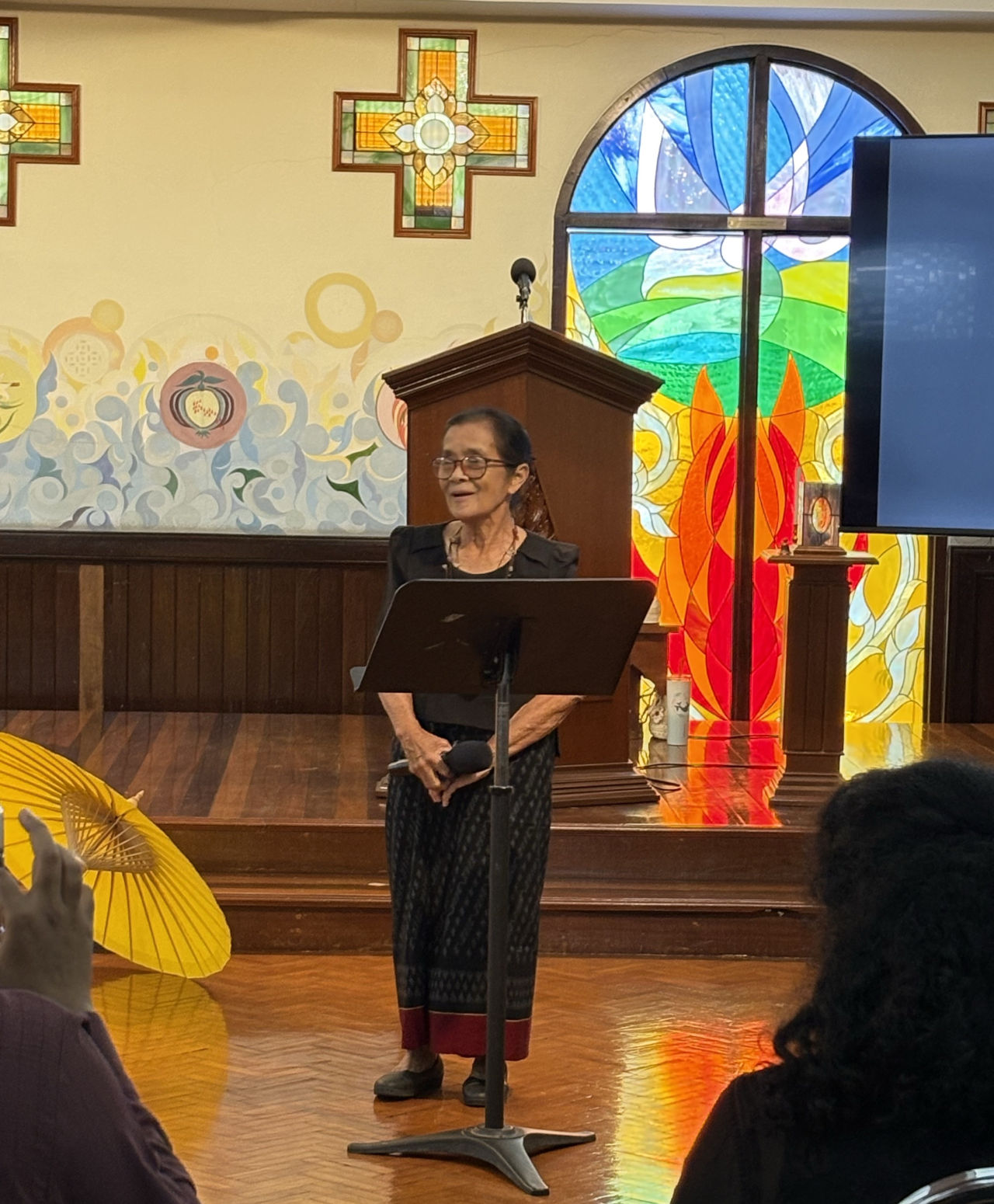
One of the United Board's flagship theologically oriented programs, IASACT has long served as a forum where faculty from across Asia deepen their research, sharpen their writing, and form lasting scholarly bonds. This year marked a milestone: for the first time, the program was hosted at Payap University in Chiang Mai, Thailand, whose McGilvary Divinity School lent both its chapel and its hospitality to the gathering cohort.
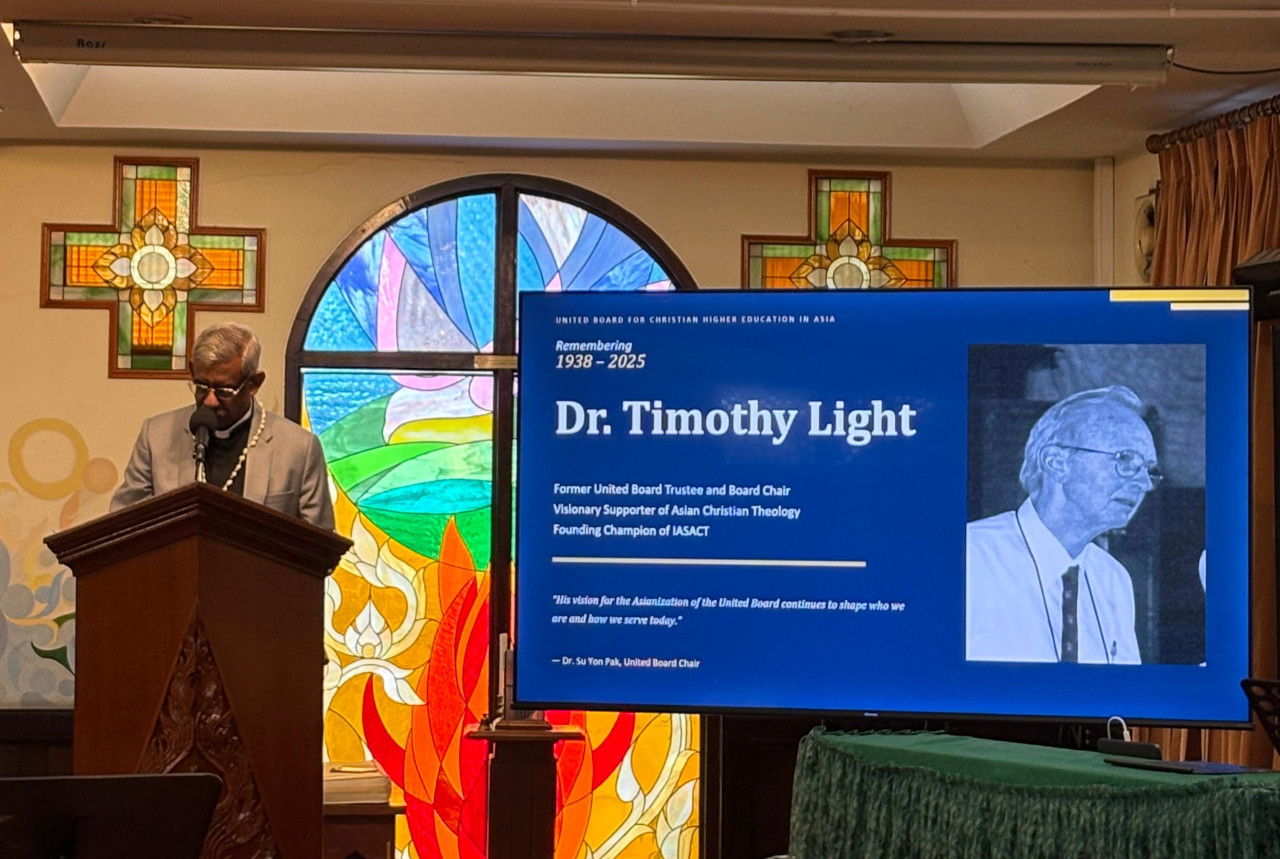
The institute opened on June 20 with worship at the Divinity School Chapel—a homily on the life of Solomon framing the scholars' work as a calling—followed by a memorial for the late Dr. Timothy Light, a longtime friend of IASACT and the United Board. That evening's welcome dinner, complete with a Northern Thai Kantoke performance, set a tone of warmth that would carry through the rest of the residency.
|
|
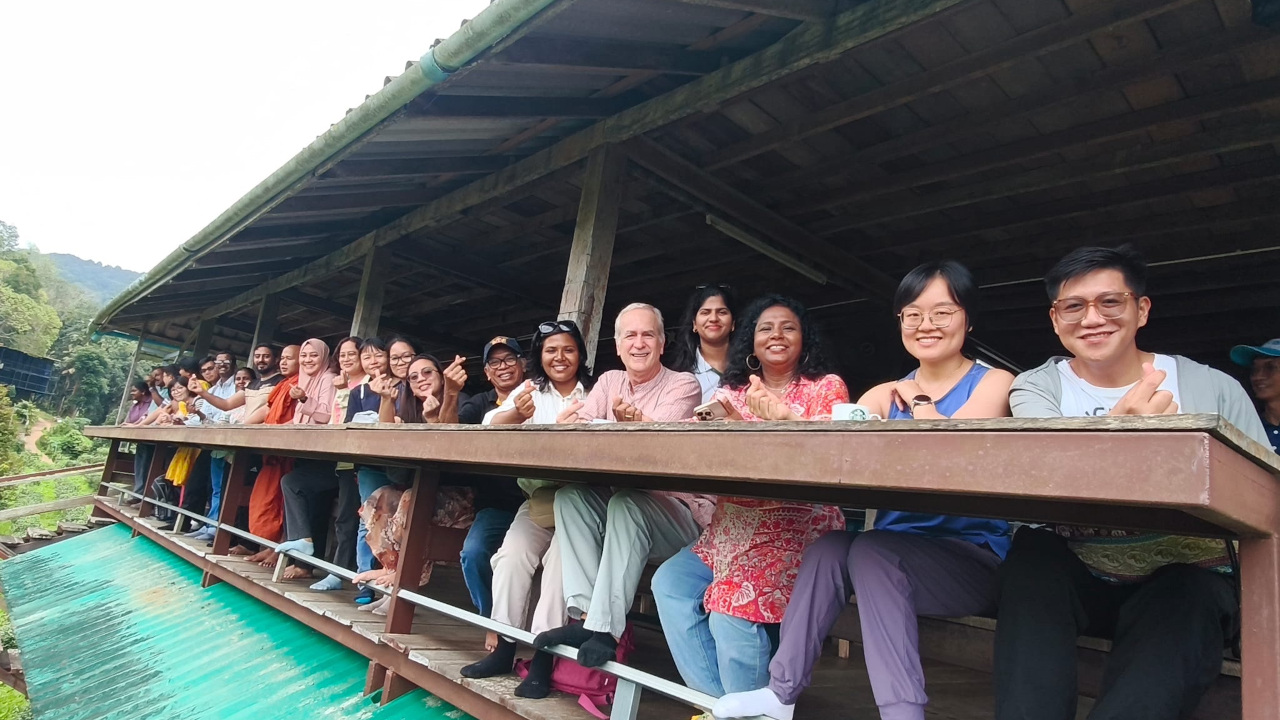
From there, the program alternated between the individual and the communal. A full day of teambuilding led by Payap—anchored by a demanding mountain trek—broke the ice early. Days of library work, reading, and one-on-one mentor meetings gave scholars space to refine their papers, while two plenary sessions brought in outside expertise: Dr. John Samuel and Dr. Jeane Peracullo each led morning lectures that widened the frame around aging and interdisciplinary method. Dr. Pareena Gupta Lawrence, President of the United Board, introduced the organization's vision of Whole Person Education and its commitment to "training the trainers."
The heart of the two-week-long program, however, was the marathon of scholars' presentations—21 sessions spread across the fortnight, in which every participant presented a paper to the full cohort and received feedback in return. Two field trips into the hills around Chiang Mai and a series of reflection groups rounded out the experience, before the program closed on July 3 with final feedback, a closing ceremony at McGilvary Divinity School, and a farewell dinner at The Vineyard.
|
|
Within that structure, the range of subjects was remarkable. Scholars examined elder care for displaced older adults in conflict-affected Myanmar, the spirituality of elderly women market porters in Yogyakarta, prayer as resilience among Filipino elders, and the way architecture itself shapes the dignity of aging. Others turned to comparative texts—reading Islamic and Buddhist understandings of impermanence side by side, or Confucian filial piety against Filipino traditions of gratitude—while several reframed aging as lifelong, intergenerational learning in an age of artificial intelligence. Across Christianity, Islam, Buddhism, and Confucian thought, a shared conviction emerged: that later life is not merely decline to be managed, but a season of meaning, agency, and hope.
As the conversations in Chiang Mai give way to the quieter work of writing and teaching, IASACT 2026 leaves behind more than a set of papers. It leaves a small but growing community convinced that theology has something urgent to say about growing old—and a new home at Payap from which that conversation can continue.
|
|
|
|
|
United Board for Christian Higher Education in Asia | 475 Riverside Drive Suite 1221 | New York, NY 10115 US
|
|
|
|
|
|